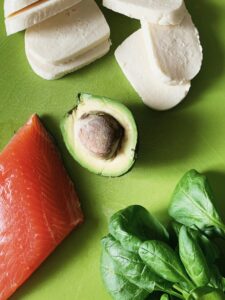
What Are Superfoods?
Superfoods are nutrient-dense foods that offer substantial health benefits beyond basic nutrition. They contain concentrated levels of antioxidants, phytochemicals, vitamins, minerals, and other bioactive compounds that support bodily functions and protect against diseases.
Key Point: Superfoods aren’t necessarily “magic,” but their extraordinary nutrient profiles make them invaluable in promoting longevity, mental clarity, immune resilience, and metabolic health.
The Science of Superfoods: How Do They Work?
Rich in Antioxidants: Superfoods are packed with antioxidants like polyphenols, flavonoids, carotenoids, and vitamin E, which neutralize free radicals—unstable molecules that damage cells and accelerate aging.
Anti-Inflammatory Properties: Chronic inflammation underpins many lifestyle diseases. Superfoods such as turmeric and berries contain compounds that modulate inflammatory pathways, reducing the risk of cardiovascular disease, diabetes, and neurodegeneration.
Gut Microbiome Support: Prebiotic fibers and polyphenols in superfoods nourish beneficial gut bacteria, fostering a healthy microbiome—crucial for immune function, mental health, and nutrient absorption.
Gene Expression Modulation: Some phytochemicals influence gene activity, activating pathways like Nrf2 (cellular defense) and sirtuins (cell longevity), thereby enhancing cellular resilience and lifespan.
Most Advanced & Essential Superfoods & Their Benefits:
| Superfood | Key Bioactive Compounds | Primary Benefits |
Blueberries | Anthocyanins, resveratrol | Cognitive boost, cardiovascular health, anti-inflammatory | Reduce oxidative stress markers; improve endothelial function
Kale & Leafy Greens | Sulforaphane, lutein, chlorophyll | Detoxification, eye health, anti-cancer effects | Activate detox enzymes; protect against UV and oxidative damage
Salmon & Fatty Fish | Omega-3 EPA & DHA | Brain health, anti-inflammatory, heart protection | Modulate inflammatory cytokines; improve synaptic plasticity
Chia & Flax Seeds | Alpha-linolenic acid (ALA), lignans | Heart health, hormone regulation, gut health | Enhance lipid profiles; support hormonal balance
Turmeric (Curcumin) | Curcumin | Potent anti-inflammatory, neuroprotective, anticancer | Crosses blood-brain barrier; activates Nrf2 pathway
Maca Root | Macamides, glucosinolates | Energy, hormone balance, stress resilience | Modulates HPA axis; enhances mitochondrial function
Acai Berries | Anthocyanins, oligomeric proanthocyanidins | Antioxidant powerhouse, skin health, anti-aging | Protects skin collagen; reduces cellular senescence
Matcha & Green Tea | Epigallocatechin gallate (EGCG) | Metabolic boost, neuroprotection, cancer risk reduction | Stimulates autophagy; enhances brain-derived neurotrophic factor
Seaweed (Kelp, Wakame) | Iodine, fucoidans, omega-3s | Thyroid health, immune support, gut health | Regulate thyroid hormones; anti-viral properties
Cacao (Dark Chocolate) | Flavonoids, magnesium | Mood elevation, cardiovascular health, cognitive function | Improve blood flow; support neuroplasticity
How to Maximize the Benefits of Superfood:
Diversity is Key: Incorporate a wide range of superfoods to access various phytochemicals and nutrients.
Prioritize Quality: Opt for organic, minimally processed options to avoid contaminants and preserve bioavailability. • Combine Strategically: Pair superfoods to enhance absorption—like adding black pepper to turmeric for better curcumin bioavailability.
Timing Matters: Consuming superfoods at different times can optimize their benefits— antioxidant-rich foods in the morning, anti-inflammatory foods post-exercise.
The Cutting-Edge Science: Emerging Superfoods & Trends
Mushroom Adaptogens (Reishi, Cordyceps): Modulate stress response pathways, supporting immune resilience and mental clarity.
Seafood Microalgae (Spirulina, Chlorella): Rich in bioavailable nutrients, detox agents, and omega-3s.
Fermented Superfoods (Kombucha, Sauerkraut): Enhance gut microbiota diversity, improve digestion, and bolster immunity.
Exotic Berries (Maqui, Açaí, Camu Camu): Exceptionally high in antioxidants, with unique phytochemicals targeting age-related decline.
Final Tips: Making Superfoods Part of Your Lifestyle
Start Small: Incorporate one new superfood weekly.
Get Creative: Use superfoods in smoothies, salads, soups, and snacks.
Stay Informed: Scientific research continually uncovers new superfoods and benefits— stay updated!
Complement with Lifestyle: Combine superfood intake with regular exercise, quality sleep, and stress management for maximum health span.
In Summary
Superfoods are nature’s advanced nutritional tools—rich in bioactives that empower your body’s defenses, promote cellular health, and potentially extend lifespan. Their true power lies in their complexity and synergy, working together to optimize your health at the genetic, cellular, and systemic levels.
Harness their potential, stay curious, and let nature’s superfoods propel you toward peak vitality!